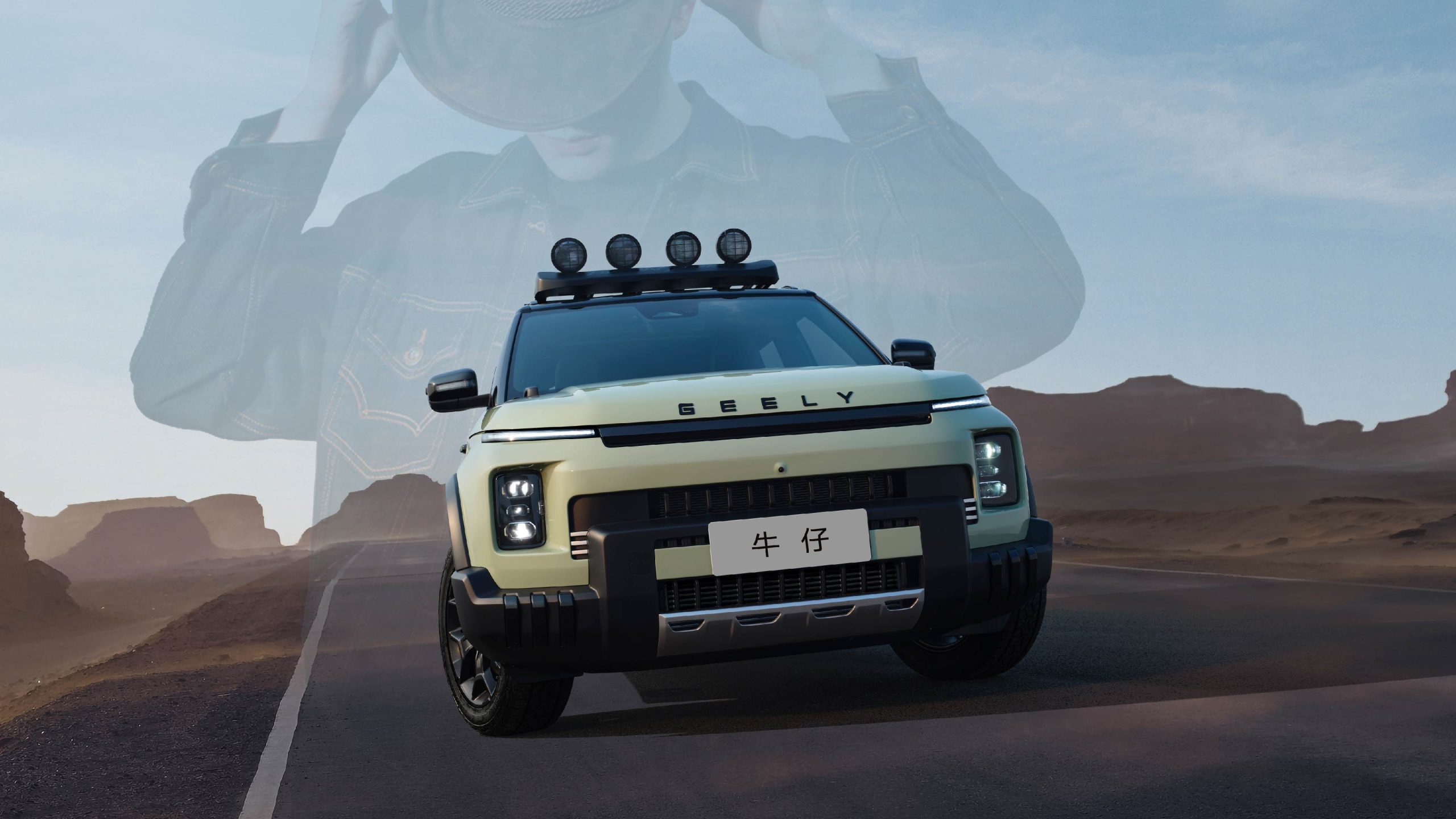
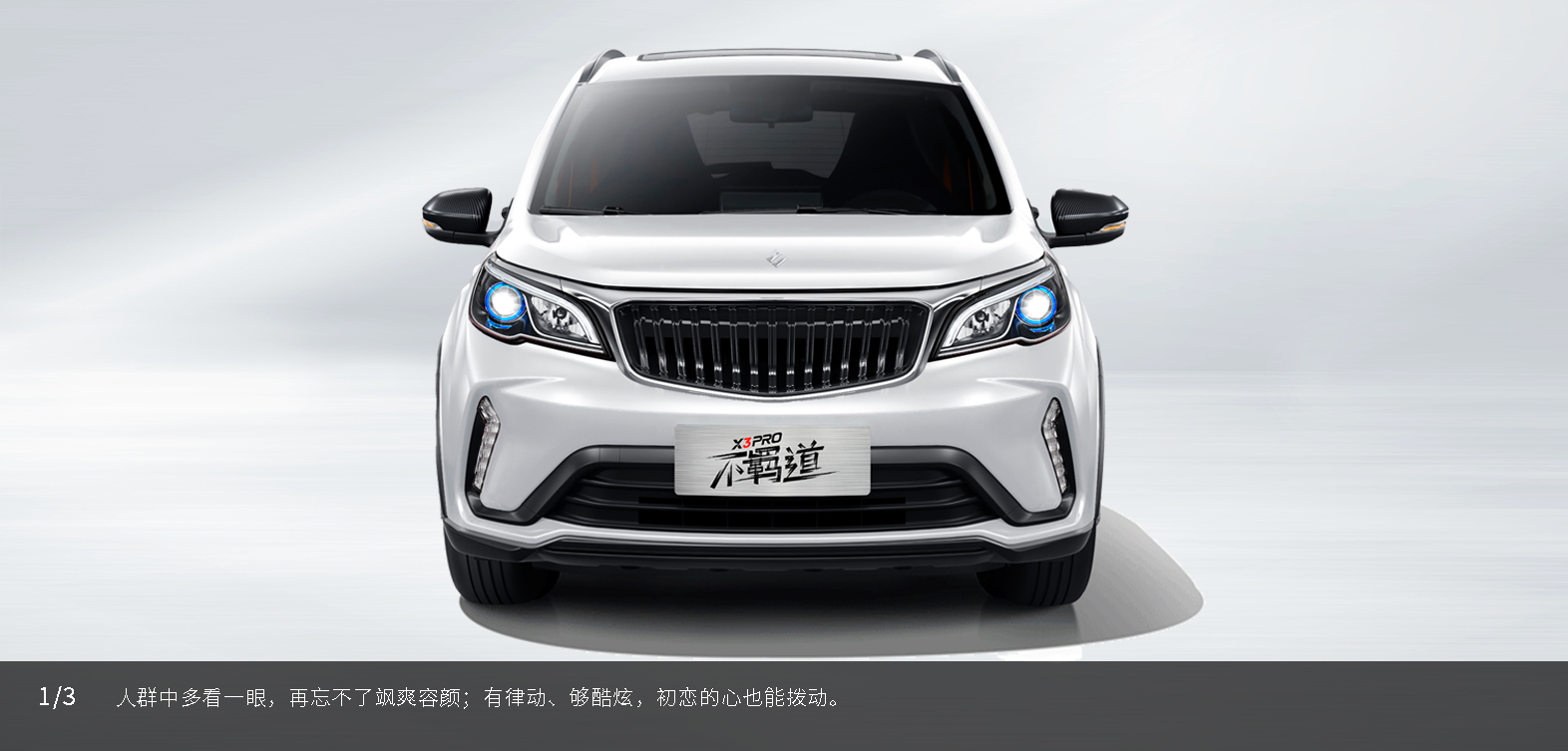
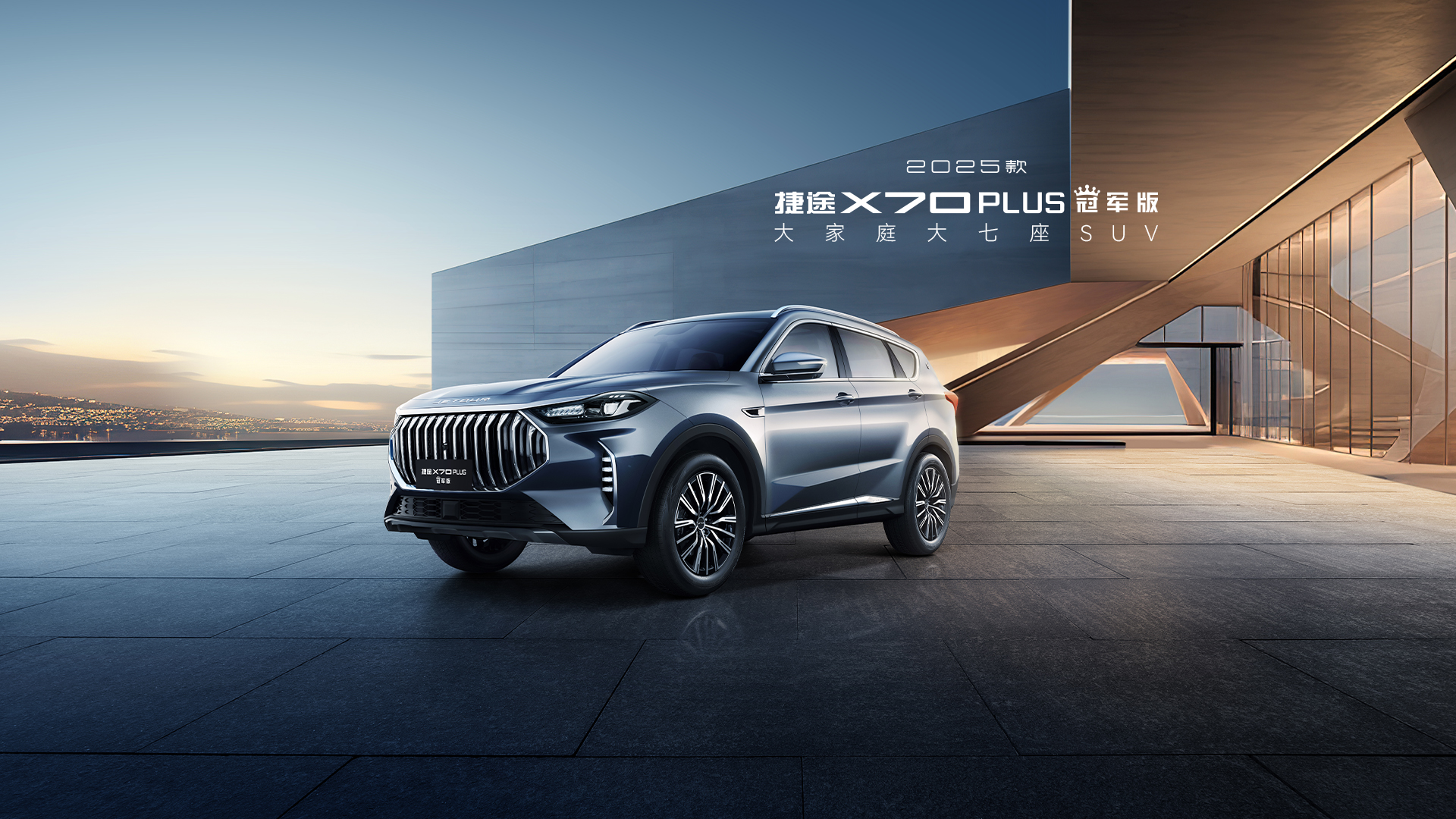
Chinese Car Exports: 3.08 Million Units in H1 2025
Chinese car exports have reached a new milestone. Data from the China Association of Automobile Manufacturers shows that in the first half of this year, exports totaled 3.083 million units. This represents a 10.4% year-on-year increase.
Despite multiple international uncertainties, this breakthrough fully demonstrates the pressure resistance and competitive resilience of Chinese automobiles in the global market. The resilience of Chinese automobiles is evolving from "product export" to "system export." This transformation is reflected not only in sales volume growth but also in full-chain layout such as overseas factory construction, technology output, and brand cultivation. These efforts lay the foundation for building sustainable global competitiveness.
From Product Export to System Export
Expanding overseas markets has become a clear trend. In the first half of this year, the pace of Chinese automobiles "going global" has significantly accelerated. Major car companies such as GAC Group, BYD, Changan Automobile, and Xpeng Motors have successively built factories in many parts of the world. They are moving from single vehicle export to a new stage of "localized production + global services."
This trend is not only a need for sales expansion. It is also an important measure to cope with trade barriers, reduce transportation costs, and be close to market demand.
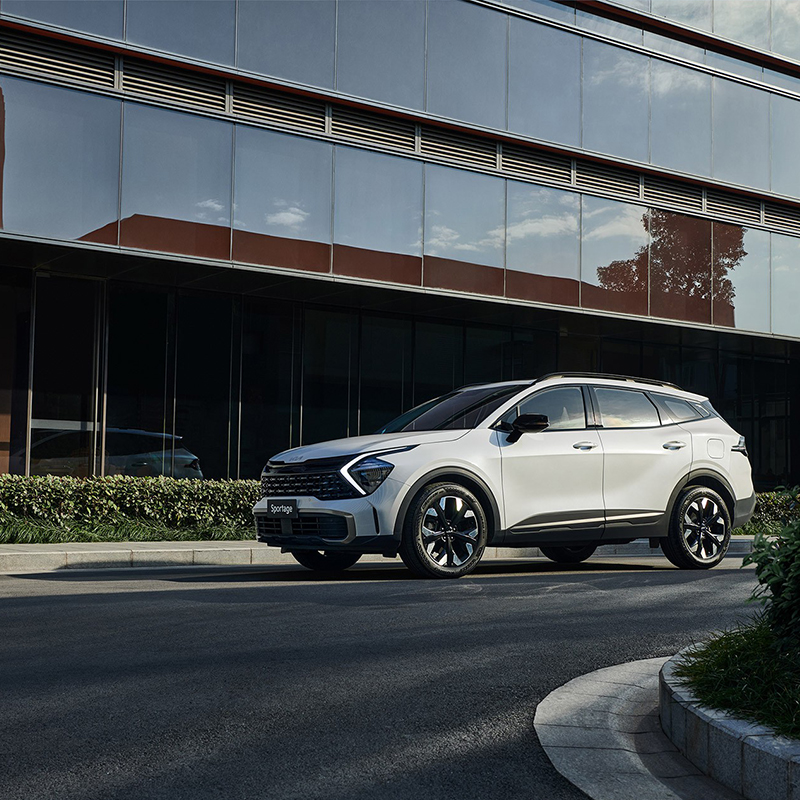
Major Automakers Accelerate Overseas Expansion
GAC Group: "1551" Internationalization Strategy
A relevant person in charge of GAC Group stated that overseas markets have become an important growth point for the company's sales. While expanding exports, GAC is actively promoting localized production and ecological going-global. It adopts a model of "small batches, quick output, one-time planning, step-by-step implementation, and rolling development."
At present, GAC has completed the layout of five major regions: the Middle East, the Americas, Africa, Southeast Asia, and Eastern Europe. The company is seizing the window period for China's automobile industry to transform from vehicle export to overseas production. Since 2023, it has carried out KD production in Nigeria, Thailand, Malaysia, Indonesia, and other places. It is also actively laying out markets such as Brazil and Egypt.
In July this year, GAC Group officially entered the UK market. At the upcoming Munich Motor Show, GAC will officially launch the AION V model in Europe and display the new UT model.
On June 12, GAC Indonesia Smart Factory was completed and put into production in Jakarta. Its production capacity will be gradually expanded from 20,000 to 50,000 units, radiating to ASEAN and global markets. On June 25, GAC International opened a flagship experience center and a battery service center in Thailand, promoting the localized implementation of the "sales + energy service" dual-track strategy.
BYD: 470,000 Units Overseas, 132% YoY Growth
BYD's overseas expansion is advancing at high speed. Data shows that BYD's overseas sales in the first half of this year exceeded 470,000 units. This is a year-on-year increase of 132%. It also surpasses the total for all of last year. According to the plan, annual overseas sales in 2025 are expected to exceed 800,000 units.
At present, BYD's new energy models have entered more than 110 countries and regions on six continents worldwide. In markets where Tesla has deeply cultivated, such as Italy, Spain, Turkey, Japan, Thailand, Indonesia, and Malaysia, BYD has achieved overtaking. Its brand reputation has steadily improved.
In terms of capacity layout, BYD has established production bases in Thailand, Brazil, Hungary, Uzbekistan, and other places. The new Camacari factory in Brazil, originally a Ford Motor production base, will be transformed to produce BYD electric vehicles. The Szeged factory in southern Hungary is expected to be put into production by the end of 2025. It will launch 12 new energy models, mainly mid-range and plug-in hybrid.
"Our factory in Thailand was put into production in July last year. In July this year, we completed the delivery of the 90,000th new energy vehicle in Thailand. At the same time, the first vehicle of the Brazilian passenger car factory officially rolled off the production line. This is our largest overseas vehicle manufacturing base," a relevant person in charge of BYD said.
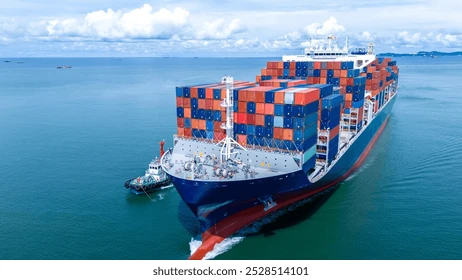
Changan Automobile: Thailand Factory and 5M Goal by 2030
On May 16, Changan Automobile's Rayong factory in Thailand was officially put into production. At the same time, it witnessed the company's cumulative global output reach 28.59 million units. Chairman Zhu Huarong said that Changan plans to achieve global sales of over 5 million units by 2030. Of these, intelligent connected new energy vehicle sales will reach 3 million units.
Centering on the global "Haina Baichuan" plan, Changan Automobile is accelerating the expansion of five key regional markets outside China. It plans to build a total of 20 overseas vehicle and KD (knocked-down) factories. Currently, 9 KD factories and 1 vehicle factory have been completed and put into production. The completion of the Thailand factory means that Changan Automobile's production network in Southeast Asia has initially taken shape.
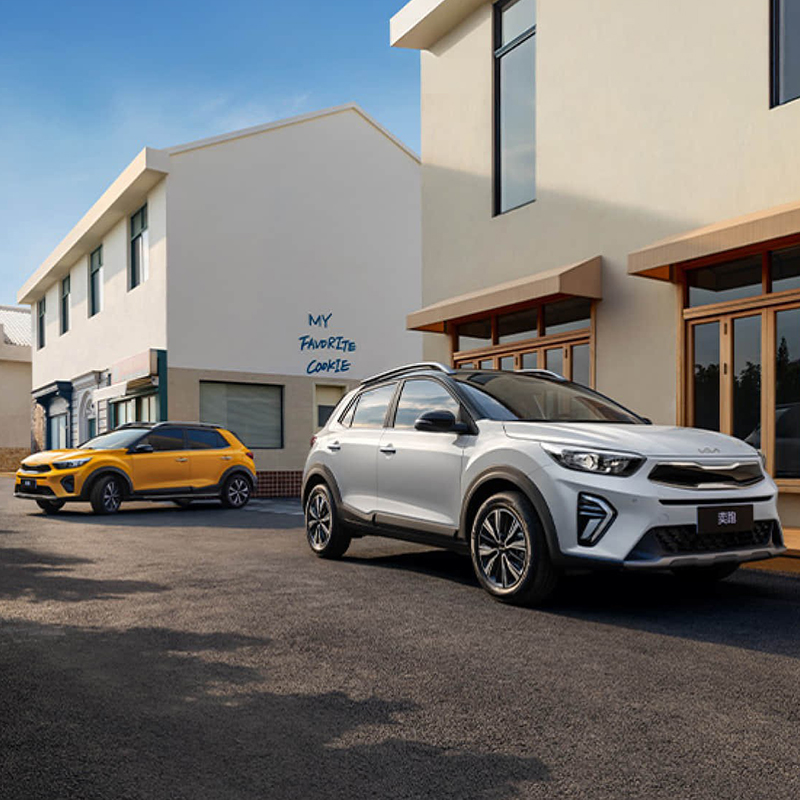
Xpeng Motors: X9 Launched in Indonesia
Recently, Xpeng Motors officially launched its flagship model Xpeng X9 in Indonesia. It also announced that the right-hand drive version of X9 will be put into production locally in July this year. This is not only an important step in Southeast Asia but also a key step in its globalization strategy.
As of June this year, Xpeng Motors has entered more than 40 countries and regions around the world. Its market territory continues to expand.
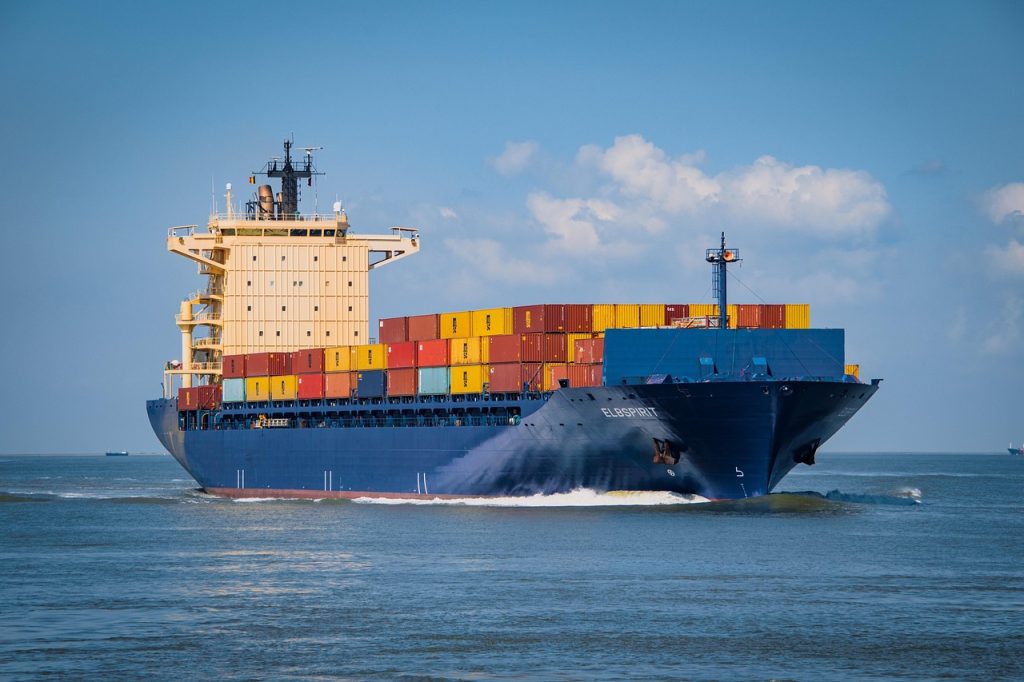
Seres: Capital Market Fuels Globalization
Entering Deep Waters of Global Competition
China's new energy vehicles "going global" are entering deep waters. In the past, car companies mainly focused on vehicle exports. Now, overseas factory construction, technology output, channel layout, and even capital operations are becoming important means to compete in the international market.
In addition to the wave of overseas investment and factory construction, some enterprises have chosen to accelerate their global layout through the capital market. Seres is a representative of them.
H-Share Listing as a Globalization Catalyst
On March 31 this year, Seres officially announced the launch of its H-share issuance plan. It intends to list on the main board of the Hong Kong Stock Exchange. The company has made it clear that the issuance of H-shares is not only a financing measure but also a key step in deepening its globalization strategy.
The funds raised will be used for new energy vehicle technology research and development, overseas market expansion, and supply chain system optimization. The goal is to enhance overall competitiveness through an international capital platform.
Diversified Overseas Strategic Goals
From the disclosed prospectus, Seres' overseas strategic goals are clear and diversified. On one hand, the company plans to promote the localized landing of high-end brands overseas and develop international models that meet the regulations and consumption preferences of different regions. On the other hand, it will accelerate the connection with global high-quality industrial resources. It will explore various methods such as self-built factories, reverse joint ventures, strategic cooperation, and mergers and acquisitions to improve localized production capabilities in different markets.
At the same time, relying on its technical advantages in the extended-range system, Seres hopes to enter the component export market and explore more overseas paths by virtue of the growing global demand for extended-range power.
Deep Cultivation and Service Network
On the market side, Seres is not satisfied with entering overseas markets. It emphasizes the continuous improvement of deep cultivation and service capabilities. The company proposes to build a "front-line leadership, multi-point linkage" sales and service network.
It aims to form a refined retail system from headquarters to regions to terminal stores by increasing channel density and the reach of high-end users.
Up to now, its new energy vehicles have entered 62 countries in Europe, the Americas, Africa, and other places. It has established stable businesses in Norway, Germany, the UK, Switzerland, and other places.
Market Challenges: Trade Protection and Policy Shifts
According to public data, as of 2024, the Asian market has accounted for more than 40% of China's new energy vehicle exports. Benefiting from policy support and price advantages in Southeast Asia and the Middle East, Chinese brands are accelerating their landing in markets such as Indonesia, Thailand, and the United Arab Emirates. They have achieved breakthroughs in sales.
At the same time, the resurgence of trade protectionism and frequent policy adjustments in various countries have also brought challenges to exports. The UK has postponed the ban on fuel vehicles to 2035. Germany has canceled subsidies for electric vehicle purchases. The United States has relaxed exhaust emissions and electric vehicle sales targets. Many European and American car companies have also begun to slow down their electric vehicle production plans.
This means that Chinese car companies not only have to deal with the uncertainty of market demand but also must adapt to the ever-changing policy environment.
Expert Advice: Building a Resilient Global System
Three Pillars: Products, Partners, Services
Faced with this situation, industry experts suggest that Chinese car companies need to start from three aspects: products, partners, and services. The goal is to build a more resilient global system.
Zhang Xinyuan's Actionable Recommendations
Zhang Xinyuan, head of research at Kefangde Think Tank, believes that priority should be given to the development of right-hand drive models. Improvements in adaptability to tropical climates are also needed in response to market differences.
In terms of cooperation models, local leading dealer groups should be selected. Joint venture models should be used to disperse policy risks. In terms of after-sales service, a mixed network of "4S stores + mobile service vehicles" can be established. Door-to-door maintenance can be promoted in emerging markets.
At the same time, a special regulatory certification team should be established. Certification work for target markets should start 18 months in advance to ensure that the entry rhythm is controllable.
Wang Peng's Three-Point Synergy Framework
Wang Peng also believes that overseas factory construction should be combined with localized operations. Enterprises need to establish a stable supply chain system locally. They should cooperate with high-quality suppliers and introduce domestic core component suppliers.
Manufacturing quality should be ensured by training local employees, providing reasonable salaries, and dispatching backbones to guide production. Policy research and government communication mechanisms should be established to strive for policy support.
A unified brand strategy combined with local cultural differences should be formulated. This must be done under the premise of strictly controlling the scope of core technology transfer.
Outlook: The Next Stage of Chinese Car Exports
The first-half data confirms that Chinese car exports have entered a new phase. The 3.08 million units and 10.4% growth reflect not only sales momentum but a fundamental shift in how Chinese automakers compete globally.
From vehicle export to overseas production, from single sales to "localized production + global services," and from product competition to system competition, Chinese automakers are building sustainable global competitiveness. With overseas factories taking shape in Southeast Asia, Europe, and South America, and with capital markets supporting global expansion, the foundation for long-term growth is being laid.
However, challenges remain. Trade protectionism, policy shifts, and the need for deeper localization require continuous adaptation. By focusing on product adaptation, reliable local partners, and robust after-sales networks, Chinese car companies can navigate uncertainties and strengthen their position in the global market.