China New Energy Vehicle Exports: July 2025 Data
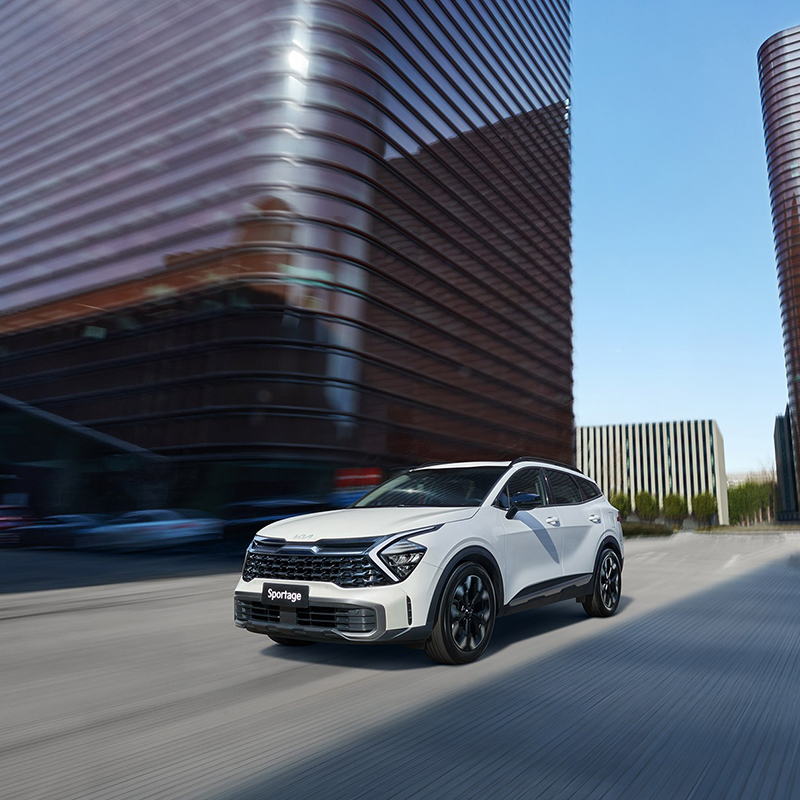
On August 11, the China Association of Automobile Manufacturers released key data. The figures show that China new energy vehicle exports reached 225,000 units in July. This represents a remarkable 120% year-on-year increase. It also marks a 10% month-on-month growth.
The data was reported by China News Service from Beijing. The strong NEV export performance stands out against a broader market that entered its traditional off-season in July.

July Auto Production and Sales Overview
In July, China's automobile production completed 2.591 million units. Sales reached 2.593 million units. Both figures saw month-on-month decreases of 7.3% and 10.7% respectively.
However, year-on-year performance remained positive. Production grew by 13.3% compared to July 2024. Sales increased by 14.7%. The decline on a month-on-month basis is mainly seasonal.
Traditional Fuel vs New Energy Vehicle Exports
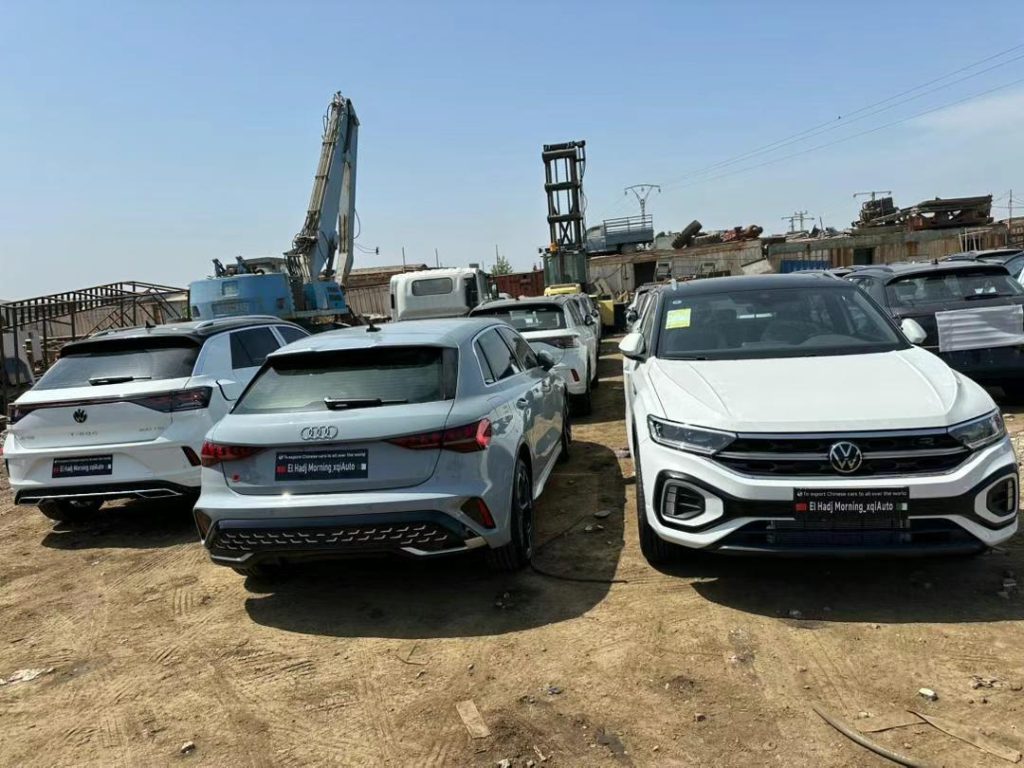
The export data reveals a clear structural shift. In July, traditional fuel vehicle exports totaled 350,000 units. This represents a 9.6% month-on-month decrease and a 4.3% year-on-year decline.
In contrast, new energy vehicle exports surged. The 225,000 units exported in July reflect the accelerating global demand for Chinese EVs.
From January to July, the cumulative data tells the same story. Traditional fuel vehicle exports reached 2.373 million units, down 7% year-on-year. New energy vehicle exports hit 1.308 million units, up 84.6% year-on-year.
Market Analysis: Off-Season but Steady Growth
The China Association of Automobile Manufacturers offered an analysis. July is a traditional off-season for the auto market. Some manufacturers scheduled annual equipment maintenance. This contributed to the month-on-month decline in production and sales.
From a market environment perspective, several positive factors are at work. The old-for-new trade-in policy continues to show results. Comprehensive rectification of industry "involution" has made positive progress. Enterprises continue to launch new models.
These factors help the auto market operate steadily. They also support year-on-year growth. New energy vehicles continue their rapid growth trend. Auto exports remain stable overall.
Combating "Involution": Industry Self-Regulation
Since the beginning of this year, enterprises and the industry have increased efforts to combat "involution." On May 31, the China Association of Automobile Manufacturers issued an initiative. The document is titled "Initiative on Maintaining Fair Competition Order and Promoting Healthy Industry Development."
Subsequently, the Ministry of Industry and Information Technology responded. It agreed with and supported the initiative. The ministry stated it would step up efforts to rectify "involutionary" competition in the automobile industry.
In June, 17 key automobile enterprises took action. The group includes FAW, Dongfeng, GAC, and Seres. They issued a joint statement promising that payment periods to suppliers would not exceed 60 days.
BYD's Overseas Success
A relevant person in charge of BYD shared key figures. BYD's overseas sales in the first half of this year exceeded 470,000 units. This surpasses the total for all of last year. The year-on-year increase is over 130%.
BYD has achieved notable success in markets where Tesla has deeply cultivated. These include Italy, Spain, Turkey, Japan, Thailand, Indonesia, and Malaysia. In these markets, BYD has overtaken Tesla. Its brand reputation has steadily improved.
Outlook: China's NEV Export Momentum
Breaking down persistent industry ills, China's automobile industry is further building advantages. This progress happens against the backdrop of promoting consumption. The new energy vehicle track is where China's competitive edge is most pronounced.
The July data confirms that China new energy vehicle exports are on a strong upward trajectory. With a 120% year-on-year increase in July and 84.6% growth year-to-date, the momentum shows no signs of slowing. As Chinese NEV makers like BYD expand their global footprint, the export outlook remains highly positive.